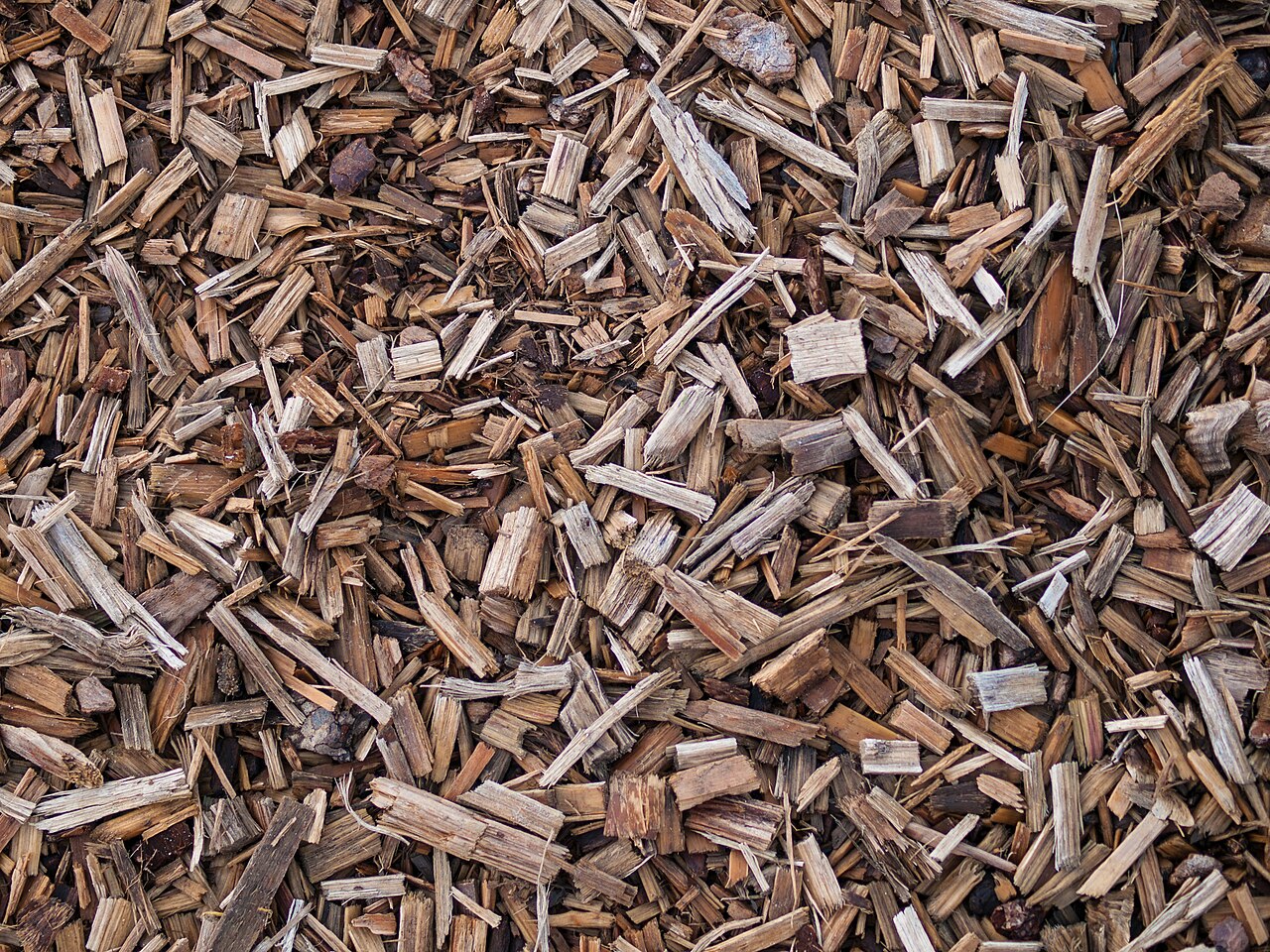
Close-up of brown woodchip mulch texture in a garden bed.

Mulch · US units

Mulch Calculator — Bags, Bulk Volume and Cost

Measure your garden bed to estimate bags or bulk volume. Compare the delivered cost of both options before ordering.

Mulch $ not entered · not in 2026-08-27 index

Bed and bags

ft
ft
in

Depth in inches. Volume is area × (depth ÷ 12).

Bag SKU

Check the volume printed on your bag. The two examples use 2 cu ft and 1.5 cu ft packs.

cu ft
Waste

Extra material is a planning choice for cuts, uneven areas or spillage. Quantities round up to whole packages.

$

Use the price of the exact bag size selected above.

Finish your shopping budget

Use actual quote amounts. Leave unknown costs blank; enter 0 when they do not apply. Tax is an amount, not a percentage.

USD
USD
USD

Compare a bulk quote

Compare material and delivery on both sides. Confirm supplier order increments and access charges before ordering.

$/yd³
yd³
USD

Include delivery, short-load and other quoted charges.

Enter the quote details to compare.

Your shopping list

Enter your measurements to estimate quantities.

MaterialBuyCost

Known-cost subtotal

—

Unknown prices are excluded until entered.

Includes your quantities and quote notes. Nothing is uploaded.

Compare equal volumes, then delivery

A 10-by-10 bed at a selected depth of 3 inches needs 25 cu ft before an allowance. That is 13 two-cubic-foot bags or 17 one-and-a-half-cubic-foot bags after rounding. Check the bag label: pack volumes differ.

When bulk can cost more

For an illustrative quote, 13 bags at $4 cost $52. One cubic yard at $35 plus $40 delivery costs $75. In that scenario bags cost $23 less, despite the lower bulk material price. These are worked-example prices, not a retailer quote.

Before you order

Choose the mulch type and depth for your planting, measure separate beds individually, and ask where a bulk load will be left. Confirm whether the supplier sells by cubic yard, scoop or another unit.

Explore the delivery break-even calculation · Convert bags to cubic yards

Show the original worked calculation
Area            = 10 × 10 = 100 sq ft
Depth           = 3 in
Volume          = 100 × (3 ÷ 12) = 25 cu ft
SKU             = Vigoro 2 cu ft (HD 52050196 / 205606287)
Spec table      = Bag Capacity 2 cu ft
Bags exact      = 25 ÷ 2 = 12.5  → buy 13
Body-copy check = 100 ÷ 8 sq ft at 3 in = 12.5 → buy 13   (listing body copy, not spec table)
Optional 10%    = 12.5 × 1.10 = 13.75 → buy 14   (labelled, not ASTM)
Earthgro 1.5    = 25 ÷ 1.5 = 16.667 → buy 17
Cost            = $ not entered

Formulas and manufacturer sources · Dated price references

Convert a cubic yard into whole bags

One cubic yard is 27 cubic feet. With 2-cubic-foot bags, 27 ÷ 2 = 13.5 bags; buying 14 gives 28 cubic feet. With 1.5-cubic-foot bags, 27 ÷ 1.5 = 18 bags exactly. Use bag volume, not bag weight, for this conversion.

For a 10 × 10-foot bed at a chosen 3-inch depth, volume is 100 × (3 ÷ 12) = 25 cubic feet. That rounds to 13 two-cubic-foot bags or 17 one-and-a-half-cubic-foot bags. These depths illustrate the calculation; select a suitable depth for the material and planting.

Sources and product specifications
  1. The Home Depot. Vigoro 2 cu. ft. Premium Brown Wood Shredded Bagged Mulch, model 52050196, internet #205606287. Accessed 2026-09-03. homedepot.com listing — HD spec table Bag Capacity = 2 cu ft. “8 sq. ft. at 3 in. D” is listing body copy, not a spec-table row. No manufacturer PDS.
  2. The Home Depot. Earthgro 1.5 cu. ft. Brown Wood Shredded Bagged Mulch, model 88659180, internet #311613385. Accessed 2026-09-03. homedepot.com listing — HD spec table Bag Capacity = 1.5 cu ft. Label PDF is image-only, no cu ft extracted.
  3. DIY Project Cost. Price index. Accessed 2026-08-27. prices.json — No mulch SKU.

Build the whole budget

Add tax, tools, delivery, labor, permits, disposal and a separate contingency to your material estimate.

Open the project budget planner