Budget checklist

Turn a calculator result into a complete shopping budget.

A materials estimate is a starting point. Use this checklist to identify what still needs measuring or pricing.
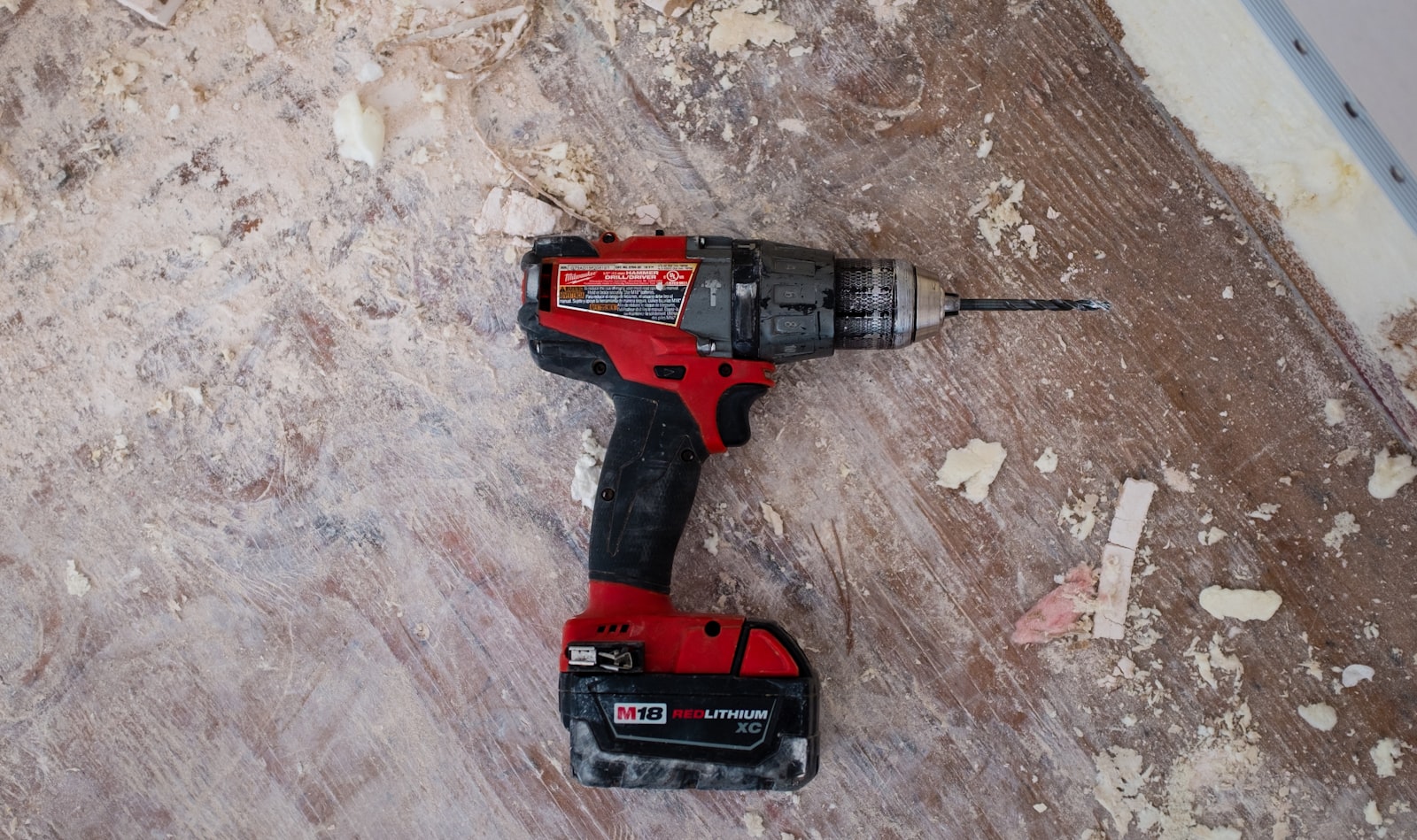
Illustrative photograph. Budget figures below are worked examples, not expenses from the pictured scene.

1. Define the job

Record dimensions and units, whether the area includes openings, and whether the quantity covers only a finish layer or the underlying structure too. Split irregular shapes into measured sections and avoid counting overlapping areas twice.

2. Match the product to the calculation

Record the product name, model, pack size, and coverage. Similar-looking bags can have different volumes or yields. If you substitute a product, revisit the quantity rather than changing only the price.

Line to priceInformation to record
Main materialQuantity × current unit price
AccessoriesFasteners, adhesives, trim, seals, or compatible components
PreparationBase material, repairs, cleaning, or removal
EquipmentTools owned, tools to buy, and rental duration
LogisticsDelivery, collection, handling, and disposal
Tax and laborApplicable quote amounts and what they cover

3. Distinguish extra material from contingency money

A waste allowance increases the quantity ordered. A money contingency is an unspent budget allowance. Do not describe both as material already consumed. Round quantities according to the packages you can buy, and check return conditions before relying on returning leftovers.

4. Keep blanks visible

If an item has no price, write “not yet priced.” For example, $240 of boards plus $35 of fasteners is a $275 known subtotal; it is not a finished deck budget while delivery and other materials are missing. This distinction helps you compare quotations honestly.

5. Save the quote context

Keep the retailer, date, location or ZIP, product identifier, and any promotion conditions with each price. A dated local example is useful; a single store’s price should not be described as universal.

Before buying, confirm project-specific structural, electrical, plumbing, or code requirements with the appropriate qualified professional. Choose a calculator · Existing price references.

Make each price traceable

A useful quote line needs a product or service description, a selling unit, quantity, unit price, supplier, location, date and included charges. “Concrete: $180” is ambiguous. “Two cubic yards at $180 per cubic yard, before delivery” is a quantity you can check.

For packages, record coverage as well as weight or count. For lumber, distinguish a price per board from a price per linear foot. For tile, keep pieces per box and coverage per box with the quoted price.

A worked budget with an unresolved item

This example uses invented prices to show the process. Suppose the material order is $240, delivery is $45, tool hire is $30, and the quoted tax amount is $18. The priced subtotal is $333. If disposal is required but unquoted, write “$333 plus disposal not yet priced,” rather than presenting $333 as the project total.

When disposal is later quoted at $55, the completed listed subtotal becomes $388. If there are still permits, labor or preparation outside the list, describe that scope explicitly. A materials estimate and a full contractor quote are different purchases.

Compare quotes on the same scope

QuestionWhat to record
Is it the same product?Brand, specification, size, finish and package coverage.
Is it the same quantity?Required amount, package rounding, minimum purchase and increments.
What is included?Delivery point, handling, equipment, tax, disposal and labor.
What can change?Quote expiry, availability, substitutions and extra fees.
What if material is left over?Return conditions, restocking fees and opened/custom-product exclusions.

A waste allowance and a cash reserve do different jobs

A material allowance changes the quantity you buy. A financial reserve sets money aside for uncertain costs. Applying both can be reasonable, but keep them separate so the same uncertainty is not counted twice without explanation.

For example, increasing 100 square feet to 110 square feet changes the material order. Adding a separate $50 reserve does not buy more material until you decide what it will cover. Record that reserve outside the priced shopping subtotal.

Take the worksheet to the supplier

Download the blank CSV worksheet. Open it in a spreadsheet app or print it, fill in actual quotes, and calculate each line as quantity × unit price. It is a blank recording template, not a price database or an automatically calculating spreadsheet.

Before purchase, check the measurements, the units, the package count and every unpriced line. Keep your completed copy and receipts; they provide a starting point for the next project without pretending that an old quote is today's price.

Build the whole budget

Add tax, tools, delivery, labor, permits, disposal and a separate contingency to your material estimate.

Open the project budget planner

Account for the tools

Compare the cost of hiring equipment with buying it for the projects you expect to do.

Compare rent and buy costs