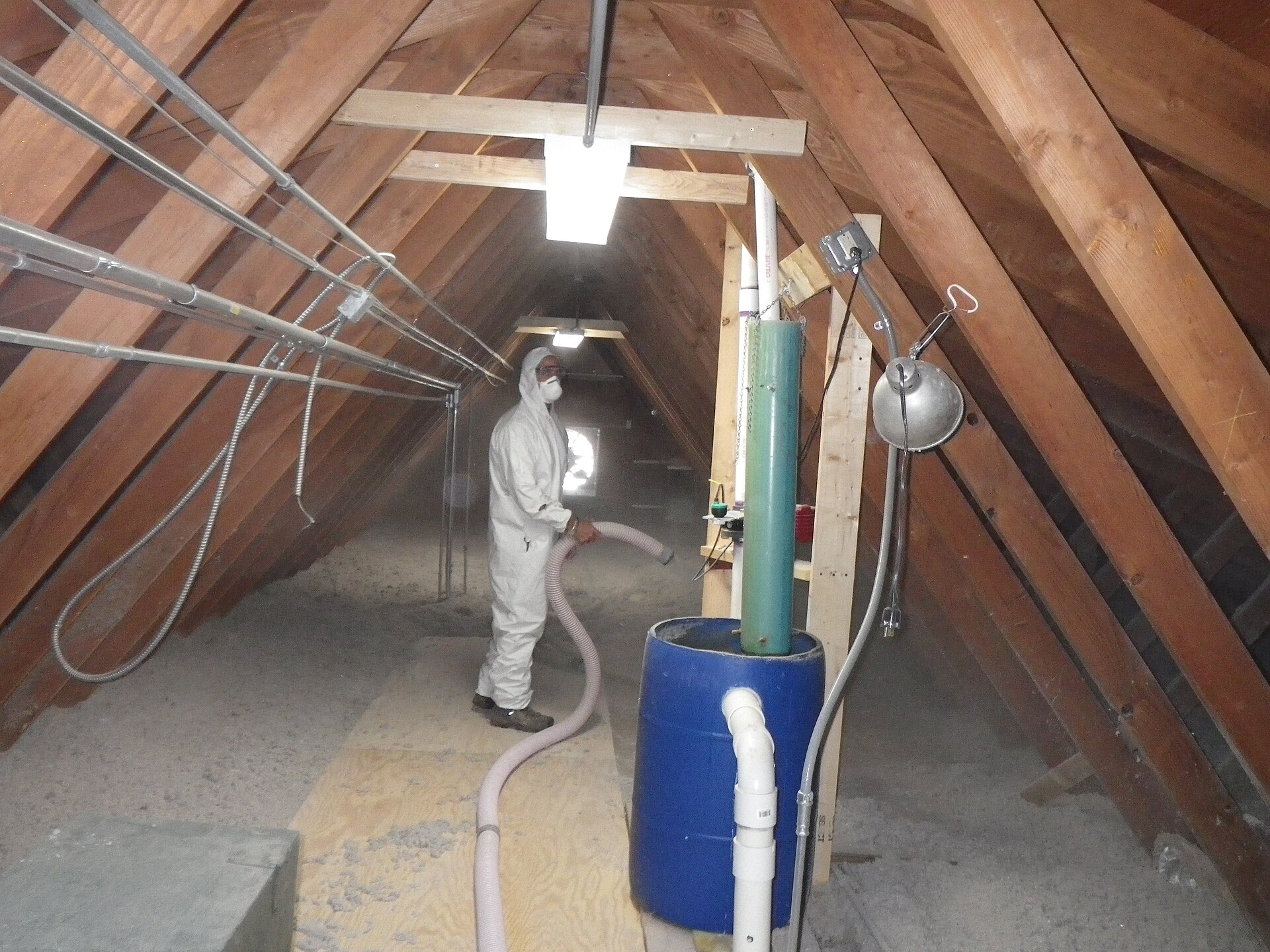
Bag count and installed depth must agree
Loose-fill insulation is specified by more than thickness. Use the bag coverage chart for the exact product and target R-value, including its minimum bag count and minimum depth. This calculator uses the 27.5-pound AttiCat chart linked in the product sources below.
R-38 worked examples
| Attic area | At 19 bags per 1,000 sq ft | Whole bags | Chart minimum depth |
|---|---|---|---|
| 1,000 sq ft | 19 | 19 | 13.5 in |
| 1,500 sq ft | 28.5 | 29 | 13.5 in |
The larger attic needs more bags, not a thicker layer for the same R-value. Round the final quantity up: 28 bags would be below the 28.5-bag requirement in the second example.
Changing the target R-value
For a 1,500-square-foot area, the chart's R-30 row gives 21.9 bags, rounded to 22; R-49 gives 37.5, rounded to 38; R-60 gives 47.25, rounded to 48. Each row also has its own depth. Select the row your project requires instead of scaling one row's thickness informally.
The Minnesota option applies the additional quantities and depths listed in the product chart. Leave it off for estimates that do not use that requirement. A voluntary extra-material allowance is separate from those chart requirements.
Existing insulation changes the question
The tool estimates the selected chart's full coverage requirement. It does not inspect existing insulation, identify its R-value or calculate an approved top-up assembly. Resolve that scope before ordering. Air sealing, ventilation paths, clearance around heat sources, access and any damaged existing material also need assessment.
Compare the complete installation cost
Record bag price, delivery, blower rental conditions, rental duration and the materials needed to protect ventilation and maintain required clearances. A store's equipment offer may depend on a minimum purchase; include the actual terms in your quote notes.