Start with the same volume on both sides of the comparison. Then include the costs of getting it to the job.
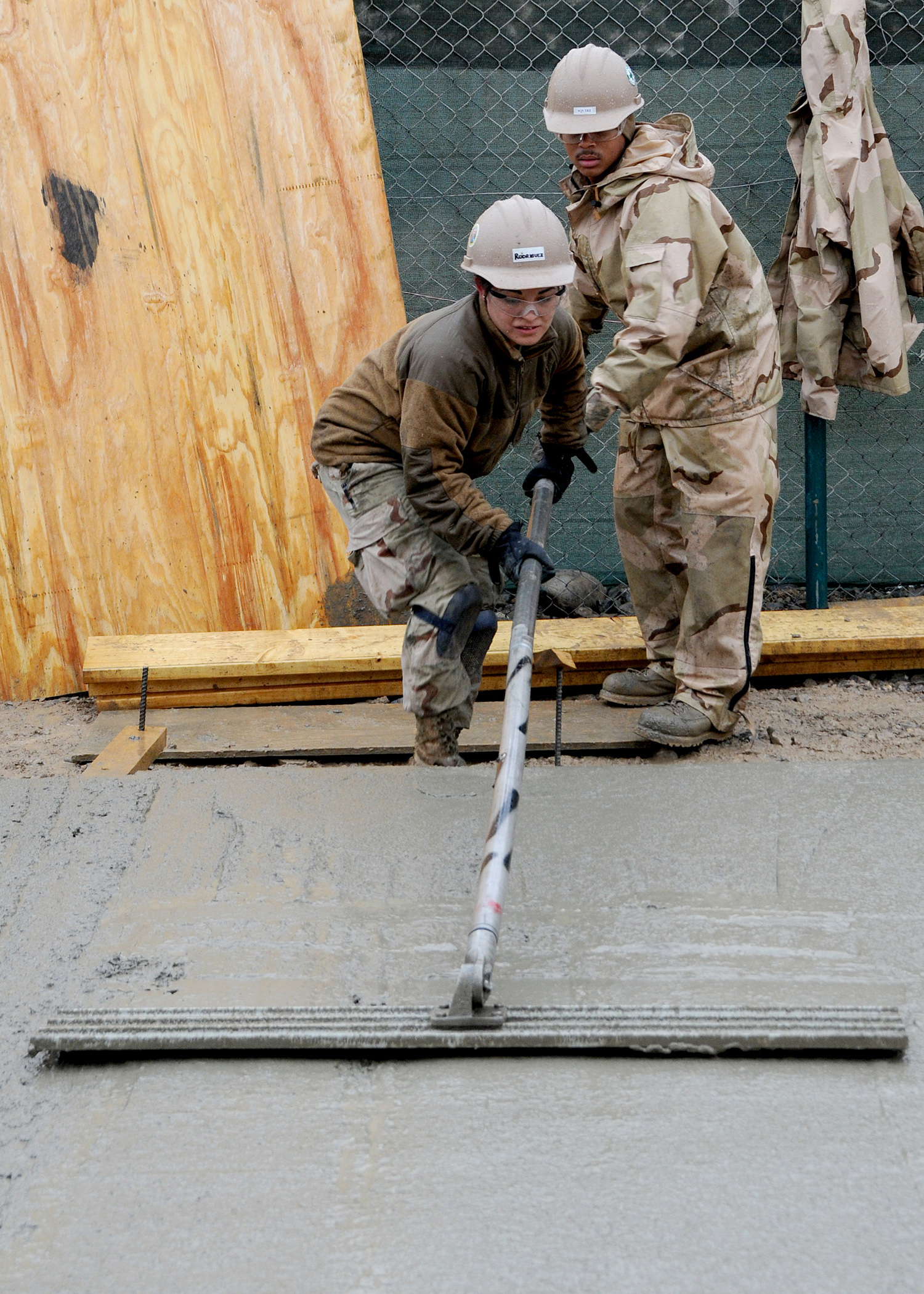
Illustrative photograph. Budget figures below are worked examples, not expenses from the pictured scene.
For a 12-by-12-foot rectangle at 4 inches deep, the geometric volume is 48 cubic feet, or about 1.778 cubic yards. At the published yield of 0.60 cubic feet per 80 lb bag, that is 80 bags before any allowance for uneven ground or waste.
Planning allowance
Volume
80 lb bags
Dry bag weight
None
48 ft³ / 1.778 yd³
80
6,400 lb
10% extra
52.8 ft³ / 1.956 yd³
88
7,040 lb
Compare the complete quote
At the site’s historical $5.98-per-bag example, 80 bags cost $478.40 before tax and delivery. That is a material example, not a current local quote. Replace the price with your store’s current price.
For delivered concrete, request the required mix and volume, delivery charge, minimum-load or short-load fee, applicable waiting or access charges, and tax. Compare that combined quote with bags plus delivery or collection, mixer hire, and any other equipment you need.
A break-even example
Suppose your current bag quote is $6 each and collection or delivery adds $60. For 80 bags, the comparison amount is $540 before any equipment hire or tax. A delivered quote below $540 is cheaper on these included items; above $540, the difference may still buy convenience. These $6 and $60 inputs are illustrative, not surveyed prices.
Weight changes the decision
Even the no-allowance option means moving 6,400 lb of dry bags. Check the actual vehicle and trailer payload limits, store delivery options, storage space, and access to the pour. Bag count is not a recommendation to transport the entire order in one trip.
Items this calculation does not include
Excavation, base preparation, forms, reinforcement, finishing, disposal, labor, and permits need separate planning. The 4-inch depth is an arithmetic example, not a specification for your site.
Write down the volume, specified mix, delivery address, access restrictions and intended delivery window before calling. A price per cubic yard by itself is not a delivered quote. Ask whether the supplier bills a minimum volume or adds a short-load fee, and whether unloading time is included.
For bags, record the exact mix, bag weight and published yield. Include the cost of delivery or collection, mixing equipment and any extra handling. Do not compare a basic material-only bag total with a delivered ready-mix total and treat the difference as the entire saving.
A worked quote comparison with a minimum order
The following prices are invented for arithmetic, not market research. Use the 12-by-12 example with a 10% volume allowance: 52.8 cubic feet, approximately 1.956 cubic yards, or 88 eighty-pound bags.
Included item
Bagged example
Ready-mix example
Material
88 × $6 = $528
2 yd³ minimum × $180 = $360
Delivery
$60
$120
Equipment hire / short-load fee
$75 mixer hire
$85 short-load fee
Compared subtotal
$663
$565
Ready-mix is $98 lower for these included items. If its access surcharge were $125, that result would reverse: $690 versus $663. Tax, labor, base, forms and reinforcement are excluded from both columns. Add them consistently before calling either figure the total project cost.
Check whether the order can actually be placed
The calculator compares a required volume with a supplier minimum, but the supplier may also sell in fixed increments. If it sells half-yard increments, 2.1 cubic yards cannot be ordered as 2.1; ask whether the billed quantity becomes 2.5 and use that quote. Confirm the delivery truck can reach the agreed unloading point.
Bagged material also has practical constraints: where it will be kept dry, how it reaches the work area, and whether the available equipment and crew can execute the planned pour. A cheaper bag total does not establish a suitable placement plan.
Before you approve a quote
Confirm the dimensions and specified thickness independently of the price comparison.
Confirm product or mix specification, billed quantity and all minimum charges.
List delivery, unloading time, access, equipment, tax and cancellation terms.
Keep site preparation and finishing scope visible even if supplied by someone else.