Renting equipment
Price the whole tool rental, not just the day rate.
A rental quote can involve the time window, pickup, fuel, accessories and return conditions. Put those beside the purchase cost before deciding.
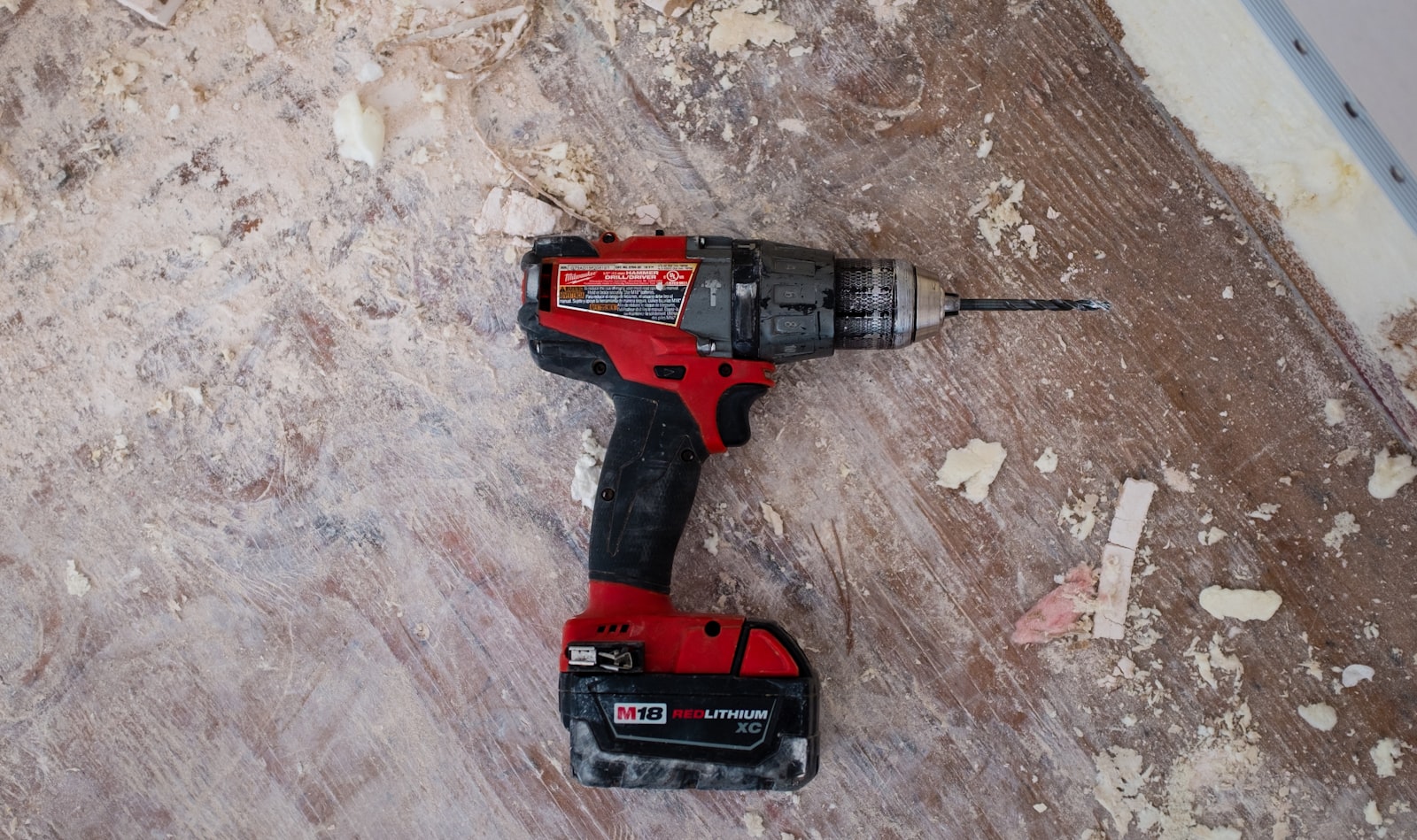
Rental terms vary by store and equipment. Lowe's rental information lists different rental periods, prepayment, extensions and return conditions; The Home Depot's rental FAQ is another place to check current requirements. Get the terms and a local quote for the exact tool before using any example on this page.
Record the complete local rental quote
| Line | What to verify |
|---|---|
| Time | Start and return times, base period, weekend rules and extension rate. Include setup, cleanup and travel time. |
| Equipment and accessories | Exact model, bits or blades, batteries, safety gear and required consumables; note what is included. |
| Pickup and return | Transport, delivery if offered, cleaning, fuel or charging conditions, and late-return charges. |
| Protection and cash hold | Optional damage coverage, responsibility for damage, and any deposit or prepayment. A refundable hold affects available cash but is not automatically a final cost. |
| Availability | Confirm the equipment can be reserved for the day you need it and that a delay will not force another rental period. |
Do not count a refundable deposit as rental spending. Keep it in a separate cash-required note until the store returns it, and check the contract for conditions that could reduce the refund. A tool that is not equivalent to the one you would buy is not a fair price comparison.
Put rent and buy on the same number of projects
For renting, total the rental and recurring extras for each planned use, then add any one-time charges. For owning, add purchase price, initial accessories and expected ownership costs over the same period. Consider storage, maintenance and resale only if you can reasonably price them; do not invent a resale value to make buying look cheap.
Hypothetical example: suppose two jobs each need a $45 rental period and $10 of rental-specific extras, plus one $20 round-trip transport expense. Renting totals 2 × ($45 + $10) + $20 = $130. A comparable purchase at $190 plus $30 of accessories and $20 of expected ownership expense totals $240 over those jobs. These made-up figures illustrate the method; they are not retailer quotes.
If the project schedule changes to four separate rentals with the same assumed per-use costs and one transport expense, the rental total becomes $240. In this simplified case that equals the assumed purchase total, but a real purchase may still involve costs or benefits that are absent here. Recalculate when dates, tool choice or local terms change.
Decide what to ask before reserving
Ask the rental desk for a written total for your expected pickup and return time, including required extras. Ask what happens if you finish late or the tool is unavailable. If you are comparing two retailers, use the same equipment capability and rental duration in each quote. Then enter the amounts in the rent-or-buy calculator and keep the quote dates in your notes.
Add the chosen tool cost to the full project budget · Compare two material quotes
Download a blank rental quote worksheet. Fill it with your own dated local quotes; the file contains no example prices.
Sources
- Lowe's Rental — How It Works and FAQs, accessed September 25, 2026.
- The Home Depot — Tool Rental Frequently Asked Questions, accessed September 25, 2026.